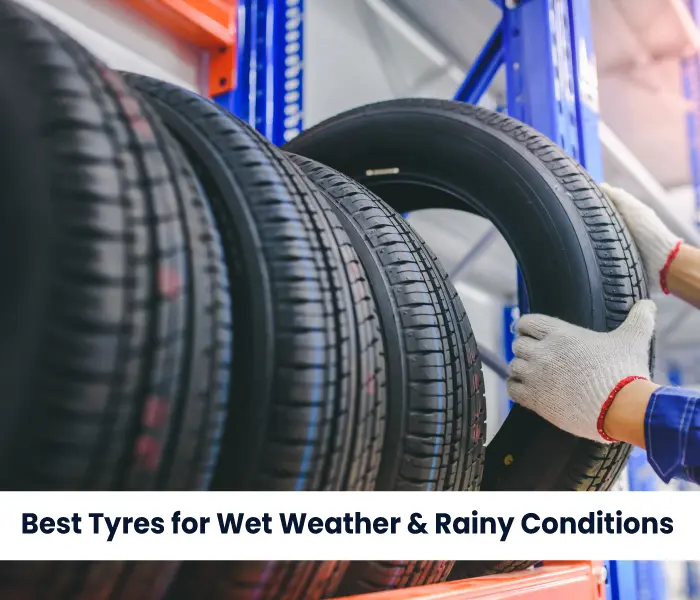
Choosing the right tyres for your car is more than just picking a brand. The type of tyre — its compound, tread pattern, and seasonal design — plays a major role in safety, performance, comfort, and longevity. Whether you drive mostly in city traffic, take occasional highway trips, or navigate wet, cold, or rough terrain, the tyre type you choose should match your driving conditions, climate, and vehicle.
Below, we explore the common categories of car tyres, their strengths and trade-offs, and how to decide which type suits you best.
Types of Car Tyres
Tyres are broadly classified based on their usage (for passenger cars, SUVs, or performance vehicles) and the conditions they’re designed for. Let’s look at the main types.
1. All-Season Tyres
All-season tyres are the most versatile and commonly used type. They’re designed to perform well in a range of conditions — dry roads, wet surfaces, and even light snow — though they’re not specialized for extremes.
Pros:
No need to change tyres seasonally.
Quieter and smoother ride with reasonable tread life.
Ideal for moderate climates with mild winters and summers.
Cons:
Can wear faster in very hot weather.
Reduced traction and braking in severe winter conditions.
Offer balanced performance but not the best in any one category.
Some advanced all-season models, known as all-weather tyres, come with the 3PMSF (Three-Peak Mountain Snowflake) symbol, meaning they’re tested for winter performance and can handle snow better than standard all-season tyres.
2. Summer Tyres (Performance / UHP)
Summer tyres are built for warm conditions — dry or wet — and are not suitable for freezing temperatures. They’re made with special rubber compounds and tread designs optimized for grip, precision, and responsiveness.
Pros:
Excellent handling, braking, and cornering in warm weather.
Better fuel efficiency due to lower rolling resistance.
Quieter and more stable at higher speeds.
Cons:
Lose flexibility and traction in cold weather.
Unsafe on snow or icy roads.
Softer compounds may wear faster in mixed conditions.
If you love driving performance and live in a warm climate, summer or ultra-high-performance (UHP) tyres will give you sharper control and better road feedback.
3. Winter Tyres (Snow / Ice Tyres)
Winter tyres are designed for cold climates and slippery roads. They use softer rubber that stays flexible at low temperatures and deeper tread patterns to grip snow and ice.
Pros:
Superior traction, braking, and handling in snow and ice.
Increased safety during cold, wet, or slushy conditions.
Certified winter tyres carry the 3PMSF symbol.
Cons:
Wear quickly on warm, dry roads.
More noise and higher fuel consumption.
Usually suitable for seasonal use only.
For areas with harsh winters or frequent snow, using dedicated winter tyres ensures better control and safety.
4. Touring Tyres
Touring tyres — sometimes called “grand touring” — are built for comfort, quietness, and long tread life rather than high-speed performance. They provide balanced handling for everyday use.
Key Features:
Asymmetrical tread designs to minimize road noise.
Excellent wet and dry traction for daily driving.
Longer tread warranties and smoother ride quality.
Touring tyres are perfect for commuters, families, and drivers who value comfort and longevity over aggressive performance.
5. All-Terrain / Off-Road Tyres
All-terrain tyres bridge the gap between on-road and off-road driving. They’re designed for vehicles that tackle a mix of city streets, gravel, mud, or rocky trails.
Pros:
Strong grip on loose or uneven surfaces.
Durable sidewalls for rugged conditions.
Some models are snow-rated for all-season use.
Cons:
Slightly louder and less comfortable on highways.
May reduce fuel efficiency.
Faster wear when used mostly on paved roads.
These are best suited for SUVs, 4x4s, or pickups used for both city driving and adventure trips.
6. Run-Flat Tyres
Run-flat tyres allow you to drive for a limited distance even after a puncture or complete air loss. They’re designed with reinforced sidewalls to support the vehicle’s weight temporarily.
Pros:
Lets you continue driving up to around 80 km after a puncture.
Offers peace of mind and eliminates immediate roadside tyre changes.
Cons:
Slightly firmer ride quality.
Costlier than standard tyres.
Often need full replacement after running flat.
Run-flat tyres are a great choice for those who prioritize safety and convenience during long drives.
7. Specialty / Racing / Slick Tyres
These tyres are built for high-performance applications like motorsport or track driving. Slick tyres, for instance, have no grooves and deliver maximum contact with dry surfaces.
Pros:
Unmatched grip and precision for racing conditions.
Optimized for speed and high-temperature stability.
Cons:
Not suitable for wet or everyday road use.
Shorter lifespan and no comfort focus.
These are purely for specialized track use and should not be used on public roads.
How to Choose the Right Tyre
Selecting the right tyre depends on a few key factors:
Climate
Use winter tyres in snow-prone regions.
Choose all-season or all-weather tyres for moderate climates.
Opt for summer tyres in hot, dry conditions.
Driving Style
For sporty driving, go with performance or UHP tyres.
For everyday comfort, choose touring or all-season tyres.
For mixed terrain, pick all-terrain options.
Budget & Durability
Performance tyres offer grip but wear faster.
Touring and all-season tyres typically last longer.
Vehicle Type
SUVs and pickups benefit from all-terrain tyres.
Sedans and hatchbacks often perform best with touring or all-season tyres.
Comfort & Noise
Touring tyres are best for quiet, comfortable rides.
Off-road and performance tyres tend to be louder.
Example Scenarios
City Driver in a Moderate Climate: Choose all-season or touring tyres for convenience and comfort.
Highway Commuter: Touring tyres with good wet grip and durability work best.
Sporty Driver: Summer or UHP tyres for precision and handling.
Snowy Region: Dedicated winter tyres for maximum safety.
SUV or 4x4 Owner: All-terrain tyres for versatility on and off the road.
AJ Tyres Can Help You Choose Right
One of the challenges many drivers face is finding the right tyre and getting it fitted in a convenient, trustworthy way. AJ Tyres (Australia) streamlines this:
They provide over 7,500 tyre options across major brands like Michelin, Bridgestone, Pirelli, Goodyear, Continental, Dunlop, Hankook, plus their own budget range.
Their website lets you filter by tyre size, vehicle, brand, and location, and browse available tyres instantly
They offer mobile tyre fitting: instead of going to a shop, AJ Tyres’ vans come to Bondi, Penrith, Randwick location to install your tyres.
They guarantee tyre disposal and recycling under Tyre Stewardship Australia (removing environmental burden) — their tyre changes include free responsible disposal.
So, once you know the type you want — say, an all-weather touring tyre for mild climate, or an A/T tyre for your SUV — you can use AJ Tyres’ tools to find matching models and have them fitted at your home or nearby location without hassle.
Our team ensures:
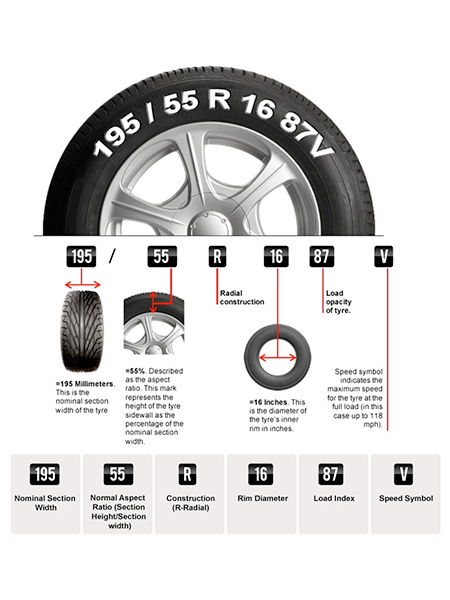
Proper sizing, load, and speed ratings for your vehicle.
Expert fitting, balancing, and alignment.
Honest advice to match your needs and budget.
Understanding the basic tyre types helps you make smarter choices, but professional guidance ensures safety and performance every time you drive.
There’s no universal “best” tyre — only the right tyre for your driving needs.When you consider your climate, driving habits, and vehicle type, you can confidently choose a tyre that enhances both safety and comfort. And with the right advice from AJ Tyres, you’ll be ready to roll — smoothly, safely, and confidently.

 Find Tyres by Size