Introduction
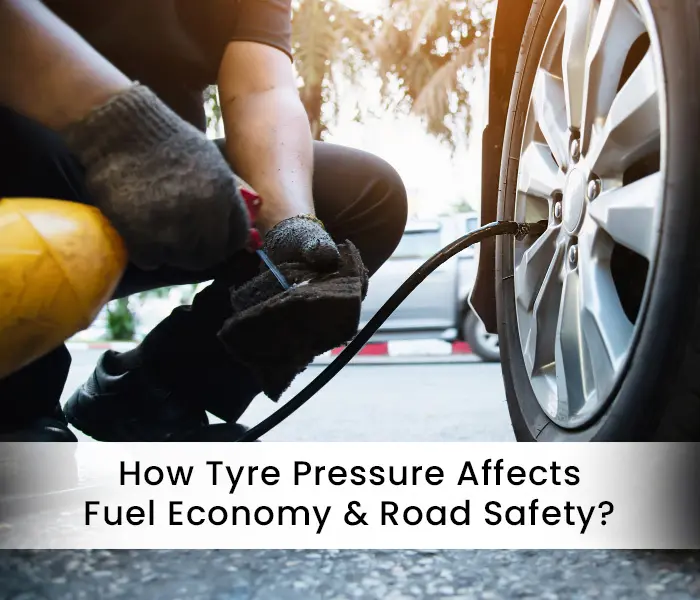
Your tyres are your car’s only contact with the road—but it’s not just what you drive, it's how it’s inflated that matters most. Correct tyre pressure is crucial for delivering optimal fuel efficiency and, more importantly, road safety. Whether you’re navigating city streets or long open highways, balancing tyre inflation preserves your wallet and keeps you secure in the driver’s seat.
Fuel Economy: Small Changes, Big Impact
Tyres with lower-than-recommended pressure generate more rolling resistance—meaning your engine has to work harder to move the vehicle. This extra effort translates directly into higher fuel consumption.
Studies have shown that keeping all four tyres at just 75% of the recommended pressure can result in 2–3% lower fuel economy; at 50%, fuel usage may increase by 5–10%. Even a drop of just 1 PSI across all four tyres can reduce fuel mileage noticeably.
Properly inflated tyres can improve gas mileage by up to 3%. Meanwhile, moderate under-inflation can quickly cause a 2% spike in fuel consumption for every 10% pressure loss. In practical terms, low tyre pressure alone can cost drivers hundreds of dollars annually in wasted fuel.
Road Safety: More Than Just Fuel
Tyre pressure isn’t only about saving money—it’s about staying safe.
- Under-inflation increases rolling resistance and tyre flexing, which compromises braking, steering control, and handling. It also raises the risk of blowouts, tread separation, and overheating.
- Over-inflation, by contrast, shrinks the tyre’s contact patch, reducing traction—especially on wet or slippery surfaces—and hastens wear on the centre tread.
The consequences are serious: under-inflated tyres have been linked to thousands of accidents, injuries, and fatalities each year. Beyond immediate safety risks, incorrect tyre pressures also shorten tyre lifespan and reduce overall performance.
Science Behind Fuel-Efficiency Loss
Tyre pressure directly affects rolling resistance, which is the energy your car uses to keep tyres moving along the road. Lower pressure means more rolling resistance, which in turn drives higher fuel consumption.
In fact, research shows a clear linear relationship between tyre pressure, rolling resistance, and fuel consumption. At lower speeds, fuel efficiency can worsen by as much as 10% when tyres are under-inflated.
Using narrow or low-rolling-resistance tyres can further improve efficiency. These tyre designs reduce energy loss during rotation, helping drivers save even more fuel over the long term.
Monitoring: Tech and Good Practices
Checking tyre pressure regularly is one of the simplest but most effective habits you can adopt.
- Cold inflation pressure—measured when tyres haven’t been driven recently—provides the most accurate readings. Many cars on the road today are found to have at least one under-inflated tyre, often by as much as 6 PSI.
- Monthly checks are essential, as tyres naturally lose small amounts of air over time. Seasonal temperature changes can also affect pressure significantly.
- TPMS (Tire Pressure Monitoring Systems), now standard in many modern vehicles, alert drivers when pressure drops below safe levels. These systems are highly effective in reducing tyre-related risks and improving overall driving safety.
Simple Tips for Drivers (And AJ Tyres Customers)
- Check tyre pressure monthly, ideally in the morning when tyres are cold.
- Use a reliable gauge—whether digital or analog—for accurate readings.
- Inflate to the manufacturer’s recommended PSI, found in the owner’s manual or on the driver’s door placard. Do not rely on the maximum pressure listed on the tyre sidewall.
- Avoid overinflation—even though it may slightly improve mileage, it reduces comfort and compromises safety.
- Schedule regular tyre care—including tread inspections, tyre rotations, and wheel alignments. These practices, combined with correct pressure, extend tyre life and keep your car running smoothly.
Conclusion
Tyre pressure is one of the simplest yet most impactful aspects of vehicle maintenance. Properly inflated tyres reduce rolling resistance, improve fuel economy, and enhance safety by ensuring reliable traction and handling. Even small deviations in pressure can lead to significant impacts—higher fuel usage, premature tyre wear, and increased accident risk.
With regular monitoring, the help of tools like TPMS, and expert support from AJ Tyres, every driver can enjoy safer journeys, better mileage, and longer-lasting tyres.

 Find Tyres by Size