When the time comes to replace the tyres on your vehicle, you’ll often find yourself choosing between more affordable, “budget” tyre options and higher-priced “premium” tyres. The question many drivers ask is: “Is it really worth spending more on premium tyres?” The answer depends on several factors: your driving style, the conditions you drive in, your vehicle type, and how long you plan to keep the tyres. In this blog, we’ll explore the differences between premium and budget tyres, what you gain (and what you might sacrifice), and how to decide which option fits you best.
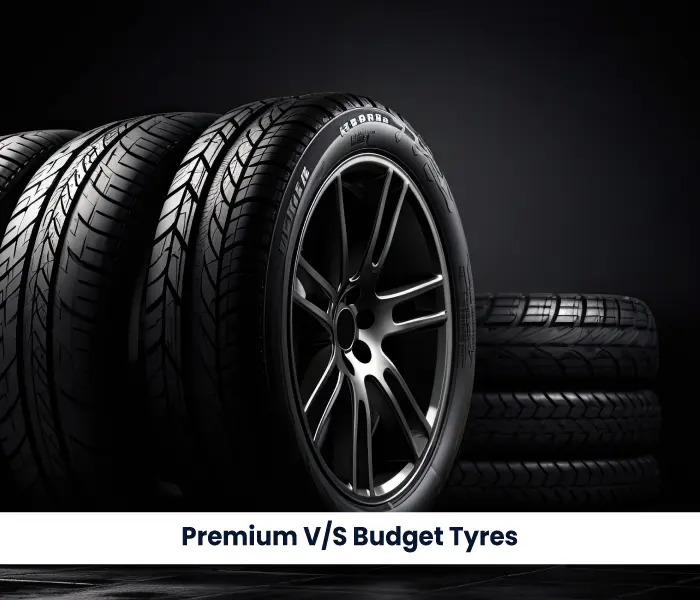
What do we mean by “premium” vs “budget” tyres?
In simple terms:
- Budget tyres are those with a lower purchase price. They may come from less-well-known brands, or from the “value” range of a brand. They meet minimum safety standards but may use simpler materials, less advanced manufacturing processes, fewer premium features, and may have trade-offs in comfort, durability or performance.
- Premium tyres are produced by established brands that invest heavily in research & development, advanced rubber compounds, engineered tread patterns, and performance testing. These tyres typically cost more, but are designed to deliver higher levels of grip, durability, comfort, performance in wet/dry conditions, and sometimes lower fuel consumption.
It is important to emphasise that “budget” doesn’t necessarily mean unsafe—many budget tyres will still meet legal safety standards. But the question is whether they will perform as well and last as long as premium tyres under the conditions you drive in.
Key Areas of Difference
Here are the main areas where premium tyres tend to outperform budget tyres—and equally where you might question whether the higher cost is justified for your specific case.
1. Grip, Handling & Wet Braking
One of the most critical differences is how a tyre behaves in real driving situations, especially wet conditions. Premium tyres often use advanced tread designs and top-quality rubber compounds that offer better grip, shorter braking distances, and improved stability. For example, the tyre maker Continental states premium tyres deliver significantly better wet braking and noise reduction compared to low-budget tyres.
By contrast, budget tyres may compromise in these areas. For instance, a budget tyre may use a harder rubber compound (cheaper to produce) which can reduce grip, especially in wet or extreme conditions.
For drivers who often encounter heavy rain, slippery roads, or high speeds, the improved safety margin of a premium tyre may be a compelling argument.
2. Longevity & Durability
Another major difference is how long the tyres last and how they wear. Premium tyres tend to use compounds and constructions that resist wear, provide more uniform tread wear, and thus may last longer.
Budget tyres may wear faster, particularly if exposed to high stress (such as aggressive driving, heavy load, rough roads). The cost of more frequent replacements can offset some of the initial savings of choosing budget tyres.
For drivers who do high mileage, or who keep vehicles for many years, tyre lifespan becomes a significant part of the total cost of ownership.
3. Comfort, Noise & Fuel Efficiency
Premium tyres often include features aimed at comfort: quieter tread patterns, better shock absorption, lower rolling resistance (which helps fuel economy). Budget tyres might be more utilitarian: they may be noisier, less refined in ride feel, and perhaps less efficient in rolling resistance—leading to marginally higher fuel consumption over time.
If you drive in urban traffic, stop-start conditions, or on rough roads, the comfort and refinement of a premium tyre may be more noticeable.
4. Safety & Risk-Mitigation
When it comes to safety, the tyre is one of the most critical components connecting your vehicle to the road. Premium tyres, through better materials and engineering, provide higher safety margins—especially in adverse conditions (wet, hot, icy) or in emergency manoeuvres. Budget tyres may still meet safety standards but may leave less margin in extreme or emergency situations—braking distances may be longer, aquaplaning risk higher, wear may reduce grip more rapidly.
Is the Higher Price Worth It? A Cost-Benefit Perspective
Now that we’ve outlined the differences, the next question is: is the extra cost of premium tyres worth it? The answer is: it depends on your situation. Let’s break down the factors you should consider.
Driving Conditions & Use
- If you drive regularly on motorways, high speeds, or in wet/rain-prone environments, then the performance gap between premium and budget tyres matters more.
- If your driving is largely urban, low-speed, short trips, and on good roads, the benefit of top-end tyres may be less pronounced.
- If you carry heavy loads, drive 4WD or performance vehicle, then premium materials and construction may be more beneficial.
Vehicle Type & Expectations
- On a high-performance car or SUV where handling, braking and safety are key, premium tyres may make a real difference.
- On an older or economy car used for commuting, the budget tyre may be perfectly adequate.
- If you value ride comfort, quiet cabin, refined feel, then a premium tyre may bring extra satisfaction.
Total Cost of Ownership
- Calculate not just the upfront purchase cost, but also: how long will the tyre last? Will I need to replace sooner? What about fuel savings?
- Some “cheaper” tyres may need replacement twice in the time one premium set lasts, thereby eroding the initial cost advantage. Articles note this issue.
- Consider resale or trade-in value of vehicle: premium tyres may enhance perceived care/maintenance.
Risk and Safety Tolerance
- In adverse weather or high-stress driving situations, premium tyres provide extra margin. If you’re risk‐averse, the investment may feel justified.
- If your risk tolerance is higher (e.g., you drive mostly short trips, good weather, low speeds) then budget tyres may suffice.
How AJ Tyres Can Help You Choose
At AJ Tyres the focus is to give you the right tyre for your needs, not necessarily the most expensive one by default. Here’s how we approach tyre-selection and how you can make an informed decision:
- We stock a range of tyres across price points: from value or budget brands to premium brands.
- We help you assess your driving habits: how many kilometres you drive annually, road types, weather conditions, vehicle type.
- We consider vehicle condition & specs: performance vehicle, heavy load, family car, urban commuter.
- We guide you through brand, compound, tread pattern differences: understanding what extra you’re paying for.
- We emphasise that while budget tyres may meet regulation and be safe, they may entail trade-offs in durability, comfort and performance.
When you visit AJ Tyres, you can expect us to talk about fitment, wheel alignment, usage environment as well, because even the best tyre will underperform if other factors (alignment, suspension, inflation) are neglected.
Case Scenarios: When Premium Makes Sense vs When Budget Suffices
Scenario A: Premium Makes Sense
- You drive a mid-to-large SUV or performance sedan, often at high speeds (100 km/h or more) on highways, sometimes in heavy rain or coastal weather.
- You expect good braking, cornering, are concerned about noise and ride comfort on long drives.
- You keep the vehicle for many years and drive high annual kilometre count.
In this case, investing in premium tyres pays off: better performance, longer life, more comfort, potentially lower fuel cost, possibly fewer replacements over time.
Scenario B: Budget Suffices
- You drive a small to medium car, mostly inner-city, low speeds, short trips, in fair weather, and maybe only 10,000 km per year.
- You are cost-conscious, keeping the budget low, and are fine with moderate performance.
- You plan to change vehicles in a few years, so tyre lifetime is not a major factor.
In this case, a budget tyre that meets safety standards is likely a good option. The extra cost of premium may yield diminishing returns for your driving profile.
What to Look Out For When Choosing Tyres
Whether you go budget or premium, there are key checks you must make:
- Ensure the tyres meet the Australian Design Rules (ADR) and relevant markings. Budget tyres sold by reputable retailers like AJ Tyres will always meet safety/ADR standards.
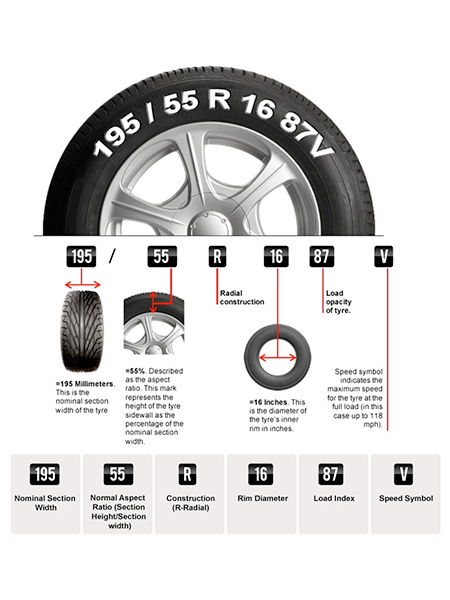
- Check the size, load index and speed rating recommended for your vehicle.
- Consider the rolling resistance/fuel economy rating, and noise/comfort ratings if available.
- Ask about expected tread life and warranty.
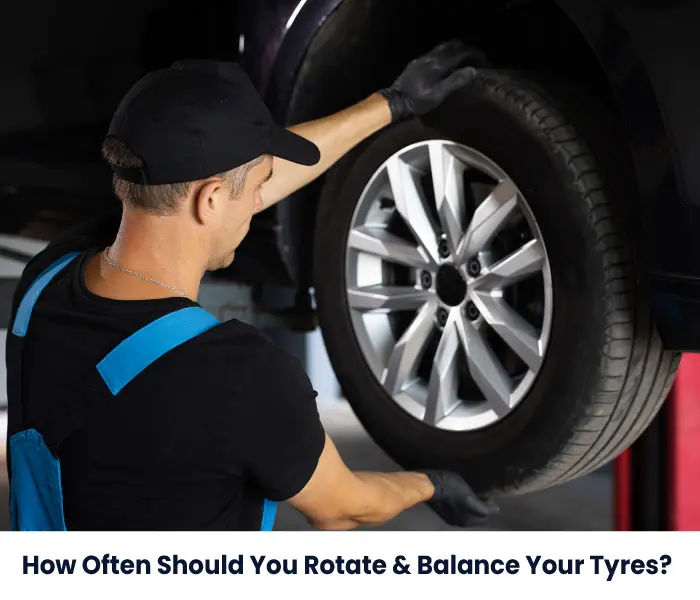
- Make sure tyres are fitted with proper alignment, balancing, correct inflation and periodically rotated—this affects lifetime regardless of budget/premium.
- Consider your local road and weather conditions (wet coastal roads vs dry inland highways).
- Factor total lifecycle cost: price + expected life + fuel/efficiency + comfort + safety.
Is It Worth Spending More?
Yes — but only when the extra features align with your needs. A premium tyre is worth the investment if you value performance, safety, comfort, and long-term durability; and if your driving conditions will bring out those advantages. For many drivers, especially those on tight budgets or whose driving is modest, a well-chosen budget tyre may offer excellent value.
In other words: premium tyres are not always necessary, but undervaluing the difference can be a false economy. “A budget tyre may save money initially, but it could affect your vehicle’s performance and safety, where weather can shift, roads vary from smooth highways to rough rural tracks, working with a tyre specialist like AJ Tyres ensures you pick the best tyre tier for your specific context—not just the cheapest or the most expensive.
Why Choose AJ Tyres?
At AJ Tyres, we bring more than just quality products — we bring experience, expertise, and trusted local service across Bondi, Penrith, and Randwick.
- Access to a wide selection of both premium and budget tyre ranges, so you choose based on value, not just price.
- Professional fitting, wheel balancing, alignment services—ensuring your tyres perform optimally.
- Transparent discussion about trade-offs: we don’t push premium for its own sake—we help you decide if it’s worth it for you.
- Ongoing support: when you need tyre rotation, inspection, or replacement, we’re there.
Conclusion
Choosing tyres is often more than a price decision—it’s about matching your driving habits, conditions, vehicle, and expectations with the right product. If you drive long distances, in varied or challenging conditions, or prioritise comfort and performance, investing in premium tyres often pays off. If your driving is simpler, then a budget-friendly, quality tyre that meets standards may serve you just fine.
Then speak with AJ Tyres – we can help you navigate between budget and premium, and find the set that gives you the best value and safety for your drive. Spend smart, drive safe.

 Find Tyres by Size